
Early learning builds confidence, curiosity, and readiness for long-term success. Learn what to look for in Preschool or Kindergarten to build a strong foundation. 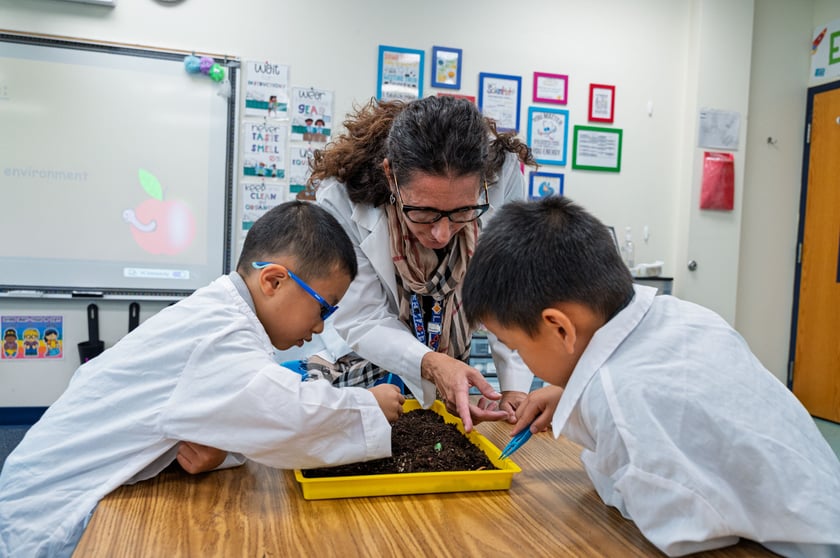
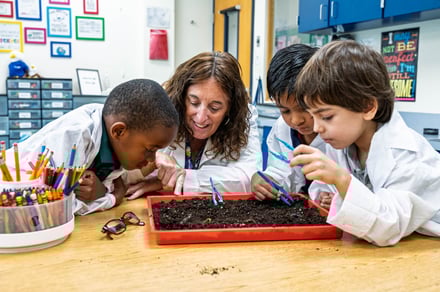
If you have ever watched a young child figure out how to stack blocks, negotiate a turn, or ask “why?” for the twentieth time, you have seen early learning in action.
And while it can be tempting to think of preschool and kindergarten as “just the beginning,” the truth is simple: the early years shape how children feel about learning for a long time.
Not because a four- or five-year-old needs to race ahead academically, but because the foundation built now becomes the base for what comes next: confidence, curiosity, resilience, and independence.
If you are currently touring schools in Northern Virginia, our Kindergarten Guide is designed to help you notice the things that matter most. It includes questions to ask, what to look for, and the small details that often make the biggest difference.
Early Learning Is About More Than Letters and Numbers
Yes, children build early literacy and early math skills in Preschool and Kindergarten. But what matters just as much is how they learn and how supported they feel while doing it.
In a strong early program, children practice:
- Trying again after a mistake
- Asking for help and using feedback
- Listening, focusing, and following multi-step directions
- Working through frustration
- Collaborating and solving small conflicts
- Sharing ideas and speaking up with confidence
Those are not “extras.” Those are the skills that allow academics to stick, year after year.
Strong Foundations Create Confident Learners
When children feel safe, known, and capable in their first school experience, they start to believe:
- “I can do hard things.”
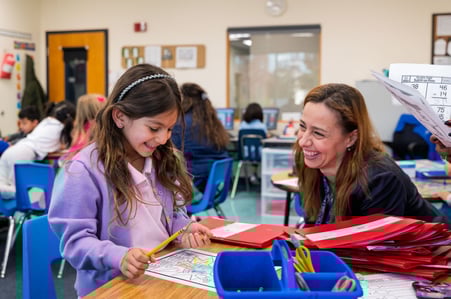
- “My teacher sees me.”
- “It’s okay to not get it right away.”
- “Learning is interesting.”
That mindset becomes a child’s internal voice later, when reading gets more complex, when math becomes multi-step, and when writing requires more structure and stamina.
In other words, the early years shape a child’s learning identity.
The Best Early Programs Balance Structure and Joy
A common mistake families make is assuming the “best” Preschool or Kindergarten is the one that looks the most advanced on paper.
But early learning works best when there is a thoughtful balance:
- Play and exploration that fuels creativity and engagement
- Structure and routine that supports focus and security
- Language-rich classrooms that build vocabulary and communication
- Hands-on learning that builds real understanding
- Warm, steady expectations that build independence over time
Children thrive when school is both joyful and purposeful.
What to watch for: Our Kindergarten Guide points out what “purposeful” looks like in real classrooms, including routines, transitions, and teacher language.
Why Teacher Quality Matters So Much in the Early Years
In Preschool and Kindergarten, children are not only learning content. They are learning how school works.
That is why the relationship with the teacher matters so deeply.
A great early childhood teacher does not simply teach the lesson. They notice:
- who needs encouragement before taking a risk
- who is ready for a deeper challenge
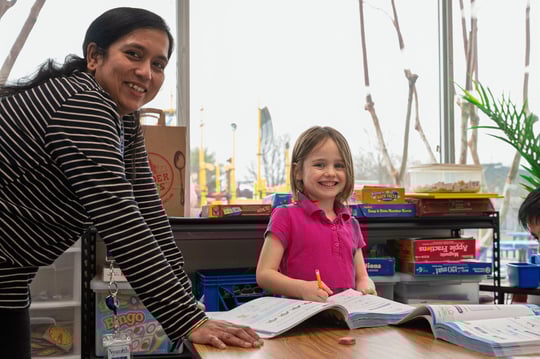
- who needs a different approach
- who is working on friendships and confidence
- who is quietly falling behind, or quietly bored
When teachers truly know your child, learning becomes more personal, more motivating, and more effective.
Classrooms designed with low student-teacher ratios make this kind of personalized attention possible. At The Nysmith School in Herndon, VA, our small class sizes allow teachers to truly know each child, respond thoughtfully to academic and social needs, and build the trust that helps students grow into confident, capable learners.
What to Look for in a Preschool or Kindergarten
You do not need to be an expert in curriculum to spot a strong early learning environment. Here are a few high-impact things to pay attention to:
1) Are children actively engaged?
Do they look curious, calm, and busy in meaningful ways? Or do they seem restless, disconnected, or unsure what to do next?
2) Do teachers interact with warmth and intention?
Look for teachers who ask questions, listen closely, redirect with kindness, and build independence.
3) Is there a clear routine that children understand?
Strong classrooms feel steady. Children know what comes next, and that creates confidence.
4) Are social-emotional skills taught, not just expected?
You should see modeling, coaching, and language around emotions, problem-solving, and friendships.
5) Is learning hands-on and developmentally appropriate?
Worksheets do not build deep understanding. Conversation, exploration, movement, and practice do.
If you want a simple list to take with you, our Kindergarten Guide was built for exactly this. It is a quick resource you can open on your phone while touring.
The Long-Term Impact of Strong Early Education
Early learning done well does not just help children “do well in Kindergarten.” It helps them become the kind of students who can:
- take on challenges without fear
- keep going when something feels hard
- express ideas clearly
- build strong peer relationships
- actually enjoy learning
Those benefits compound over time. A strong start becomes a strong future.
Get the Kindergarten Guide: Questions to Ask + What to Look For
Choosing a Preschool or Kindergarten can feel overwhelming, especially when every school sounds great online.
To make it easier, we created a simple, parent-friendly guide that covers:
- what to look for during your tour,
- questions worth asking (including a few most families do not think to ask),
- and the small details that can reveal whether a school is the right fit.