
Maybe your kindergartner is already reading chapter books. Maybe they're doing math in their head that the rest of the class is still working out with counters, or asking questions that stop you in your tracks with how far ahead they seem to be thinking. And maybe, lately, they've started telling you school is "boring." 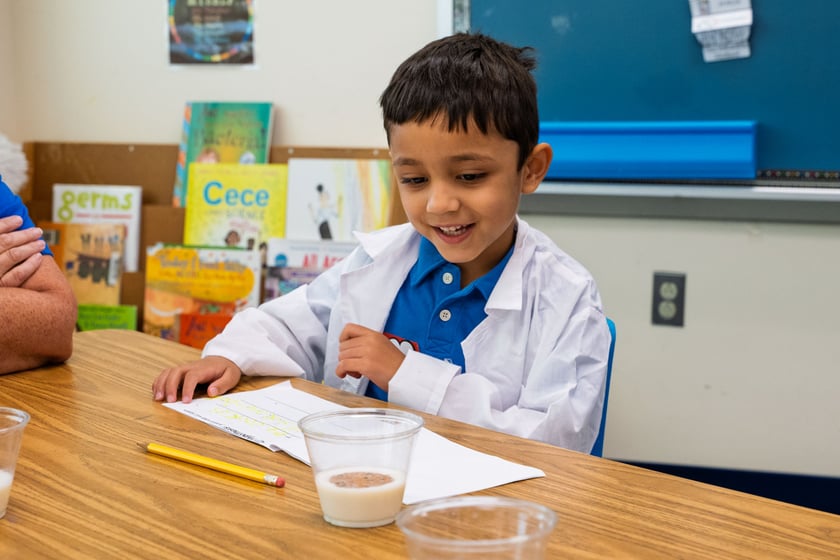
If that sounds familiar, you're not imagining it, and you're not alone. Plenty of parents start searching for a gifted kindergarten or advanced kindergarten program for exactly this reason: their child isn't struggling to keep up, they're struggling because nothing is asking enough of them yet.
 What "Advanced" Actually Means at Age Five
Here's something worth knowing before you start touring schools: an advanced kindergartner is rarely advanced across the board. A child who's reading two grade levels ahead might be right on track in math. A child solving addition problems with ease might still need typical kindergarten support with fine motor skills or writing.
That's why the label on a program matters far less than what actually happens in the classroom. The real question isn't "does this school offer gifted kindergarten?" It's "does this school offer differentiated instruction in kindergarten," meeting your child exactly where they are, subject by subject, rather than putting every advanced learner on the same accelerated track.
Signs Your Kindergartner May Be Ready for More
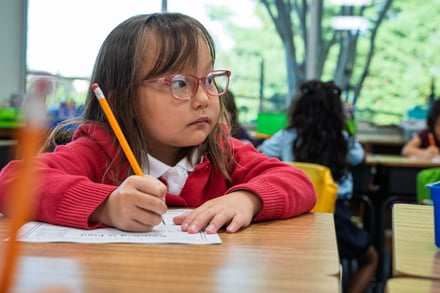
A few common signs parents notice before starting the search:
- They finish classwork quickly and then seem bored, restless, or disruptive while waiting for classmates to catch up
- They ask "why" and "how" questions that go well beyond what's being taught
- They've taught themselves to read, do math, or explore topics independently, without much prompting from you
- They've started saying school is "easy" or "boring," even though they used to enjoy it
- Teachers have mentioned they're "ahead" but haven't offered a clear plan for what that means going forward
None of these signs alone means your child needs a different program. Together, though, they're worth paying attention to.
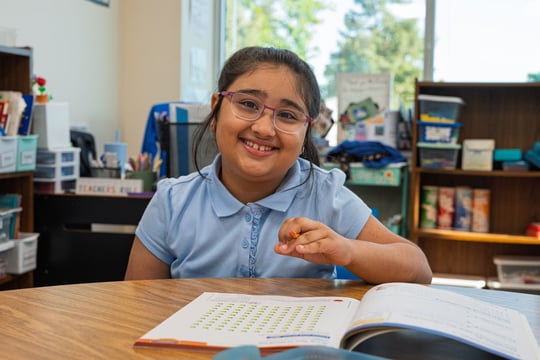 What to Look for in a Gifted Kindergarten Program
Once you start touring schools, a few things matter more than the word "gifted" or "advanced" printed on a brochure:
A low student-to-teacher ratio. Differentiation only works if a teacher actually has the time to notice what each child needs. Ask how many students are in a classroom and how many qualified teachers are with them during real instructional time, not just add up every aide and specialist in the building.
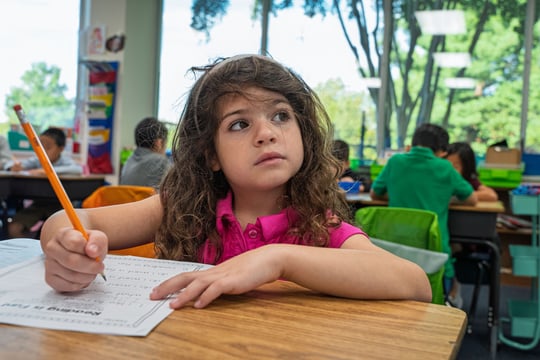
True differentiation, not just speed. A strong program identifies what a child is ready for in each subject individually, math, reading, and beyond, rather than assuming "advanced" means moving faster through the same material. Ask what happens when a child has already mastered a lesson, and what support looks like when that same child struggles somewhere else.
Depth over pace. Advanced learners don't just need to move quickly, they need room to ask harder questions, explore ideas, and explain their thinking. Watch for classrooms where children are encouraged to investigate, not just get through worksheets faster.
Joyful learning, not pressure. An advanced program should build confidence and curiosity, not stress. When you visit, watch the kids: are they engaged, asking questions, comfortable making mistakes? Children learn best when they feel safe, not when they feel like they have something to prove.
A broad curriculum, even in kindergarten. Reading and math matter, but so does exposure to science, art, music, and hands-on exploration. Ask how often those subjects actually happen, not just whether they're listed somewhere.
Why This Matters to Us 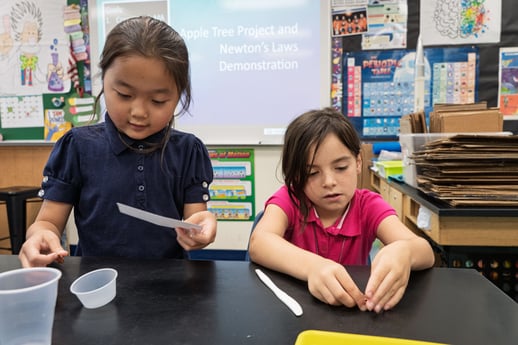
This list isn't theoretical for our school. Our founder, Carole Nysmith, started teaching in Fairfax County's gifted and talented program and loved it, but she saw firsthand how hard it was to give every child real individual attention when class sizes were too large. She founded Nysmith to find out what education could look like when teachers actually had the time to know each child.
That's still the idea behind our kindergarten classrooms today: small class sizes, real differentiation by subject, and a curriculum built to challenge kids without ever taking the joy out of learning.
See What Differentiated Kindergarten Actually Looks Like
If your child is showing signs of being ready for more, the best next step isn't a brochure, it's seeing a classroom in action. Learn more about our Kindergarten program, explore what sets our approach apart, or read more on advanced learning at Nysmith to see how differentiation works in practice, starting in kindergarten.